- Published on
The rules of life to win
- Authors

- Name
- Bharadwaj Giridhar
- @goforbg
Core lesson
Put yourself in situations where failure isn’t an option.
Sales
Sales remains, by far, the most important skill to learn.
Everything else compounds on top of it.
How wealth actually works
Wealth only comes from volume, iteration, leverage, and arbitrage.
There is no other formula that scales.
Ask yourself honestly:
Do you have a leveraged or arbitraged package of skills that can be promised and fulfilled without time being the input, at scale, that people anywhere in the world find valuable — in terms of time, money, or emotion?
If time is a required input, wealth will always be capped.
Time-based effort does not compound.
The internal blockers
Most of the past exists only in your head.
Shame. Trauma. Ego.
Can you move past these, or will they quietly run your life?
Direction and inversion
Do you have a strong why?
Can you do inversion thinking — what happens if you don’t do the thing?
Knowing what it actually takes
Do you actually know:
- What actions are required
- At what volume
- For how long
- With what level of mental toughness, patience, network, and luck
To get what you want?
The fundamentals
Most of life comes down to a few fundamentals:
- Health: eating well, working out, energy management
- Money skills: leveraged, rare skills that others can’t easily do
- Social skills: relationships, partner, kids, parents
- Community: taking care of people who work with and for you
What worked for me
My own success came from two things:
- Communication infrastructure: volume of emails, posts, outreach
- Quality and depth of content: learning from people who’ve done it (long-form thinking, not shortcuts)
Meta-skills that matter
- Communication
- Recruitment
- Objection handling
- Tolerance
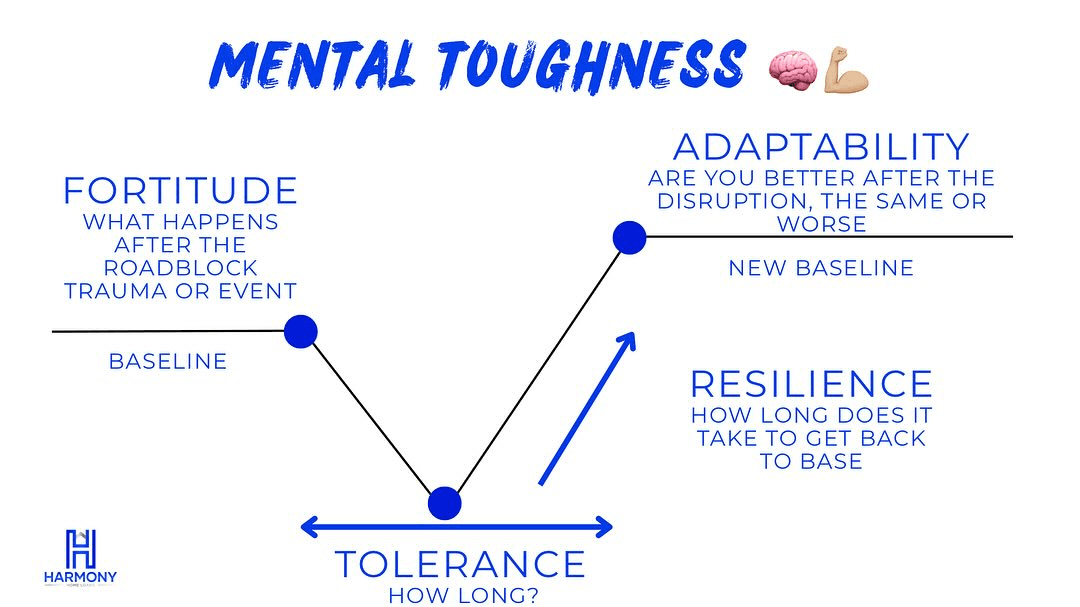
Mental skills that matter
- Tolerance
- Resilience
- Fortitude
- Adaptability
Perspective
Sales and life are mostly about asking one question in hard moments:
How would a hero react here?
Money and credit
Most of what we call “money” is actually credit — trust borrowed from the future.
Adversity
You probably wouldn’t want big things if you hadn’t grown up with adversity.
Hard beginnings create unreasonable ambition.
How to approach any goal
Before chasing any goal:
- Observe
- Write down parameters
- Write down the volume required
- Estimate the odds
- Define what failure costs
- Define the cost of each iteration
Then execute.
Volume
Volume negates luck.
Capital and systems
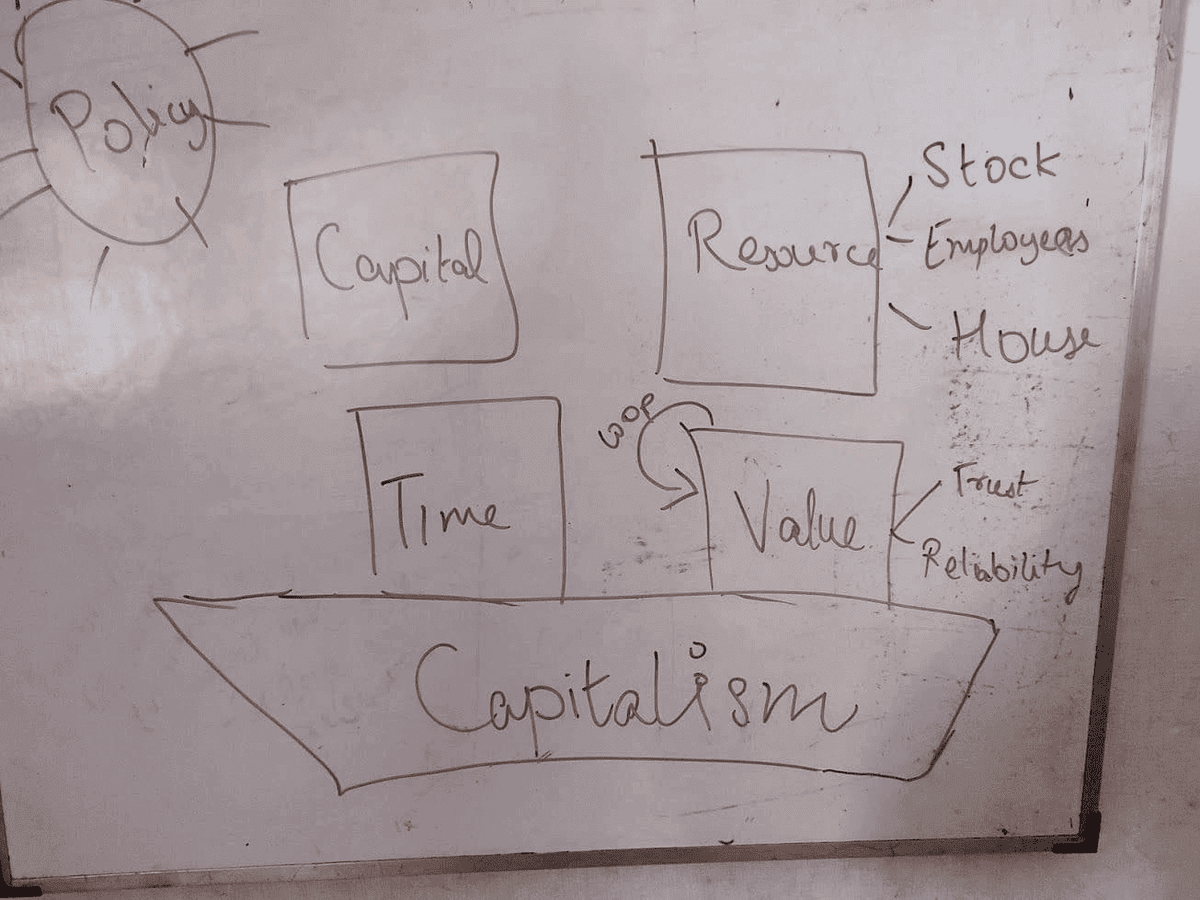
Capital, resources (stock, employees, assets), time, and value (trust, reliability) all move together — carried by capitalism, influenced by government policy.
Money as leverage
The best money spent is using money as workers.
The highest ROI of money is spending it to save time — learning everything done wrong by others, and using money to acquire skills that took others a lot of time to learn.
When things don't work
If something isn’t working:
- Do more
- Do better
- Or do something else
Risk and rarity
Life is a game of poker.
No outcome is guaranteed. You still have to take bets, and sometimes take an L.
Most people would rather spend 100 dollars at a bar than 100 dollars on talking to an expert. The bar guarantees fun. Upskilling doesn’t guarantee results.
Anything that gives you what the average person doesn’t have requires work, skill, discomfort, and luck. Because outcomes aren’t guaranteed, most people avoid it — which is why most people don’t run businesses.
The fact that others don’t have it is exactly why it’s valuable.
Most people have a smartphone.
Most people don’t have a six-pack.
If it were easy, everyone would have it — and it wouldn’t matter.
Benchmarks and judgment
You need someone you look up to. Benchmarks matter.
You will never know how much hard work you need to do unless you work with someone who has been there and done that.
You think you know what working hard means — but you don’t.
People will judge you whether you like it or not.
You might as well make a good impression.
Competition
In the long run, companies often win together, even while competing.
Emotional discipline
You can’t afford to care about everything.
That’s okay.
The four pillars
Win across four pillars:
- Making money
- Health and fitness
- Family, relationships, community
- Hobbies — so you don’t lose your mind
Finance, simply
Most finance is simple at its core: lending, borrowing, or owning a piece of something — now or in the future — based on real value or informed bets.
Endurance
Suffering now is almost always cheaper than suffering later.
Endurance makes everything make sense in hindsight.
Environment and benchmarks
Environment and people you hang out with insanely decide your benchmarks and how hard you need to try in order to succeed.
Uncertainty and opportunity
Your ability to handle uncertainty depends on how much you get paid. You want to get paid after risk is involved (it's more).
There are other people who will take the opportunities that you're afraid to take.